In industrial cooling and commercial refrigeration applications, traditional split-type cooling systems have been widely used for many years. These systems typically require compressors, heat exchangers, pumps, electrical control cabinets, and other components to be transported separately and assembled on site.
Although this approach is mature, it often brings several challenges, including long installation periods, complicated site coordination, and potential risks caused by improper component matching. As a result, project owners may face higher construction costs, longer commissioning times, and more difficult after-sales service.
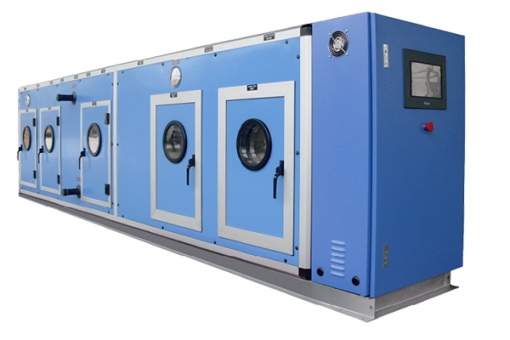
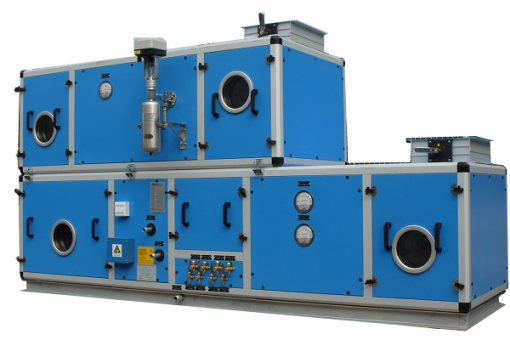
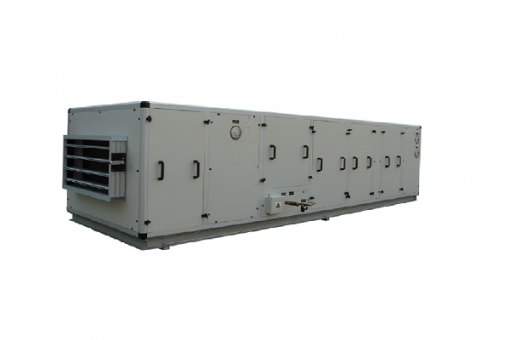
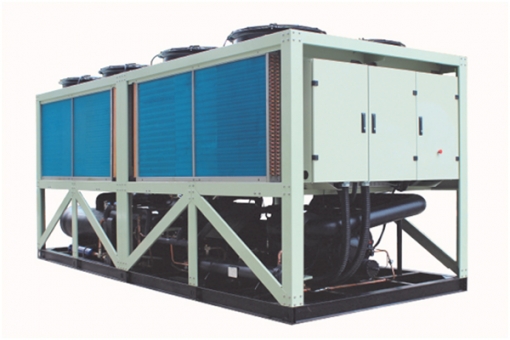
In recent years, integrated chillers have gained increasing attention in refrigeration engineering projects. By integrating the main refrigeration components into a single unit, these systems are factory assembled, tested, and optimized before delivery. Once installed on site, users only need to connect water pipes and power supply to start operation.

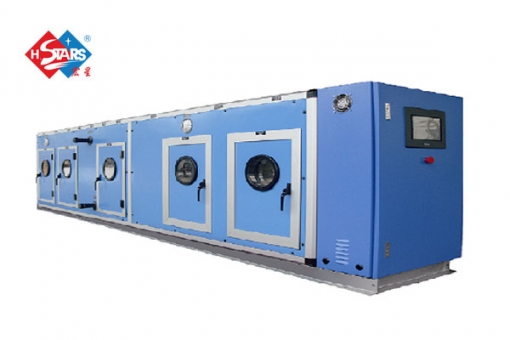
Based on years of experience in refrigeration engineering projects, H.Stars has found that integrated chillers effectively solve many practical challenges faced by small and medium-sized cooling projects.
1. How Do Integrated Chillers Shorten Installation Time?
One of the biggest advantages of integrated chillers is their simplified installation process.
With traditional split refrigeration systems, construction teams need to complete multiple steps on site, including:
• Equipment installation
• Refrigerant piping connection
• Electrical wiring
• System debugging
• Performance testing
This process may take several weeks, especially when projects involve limited space or multiple contractors working simultaneously.
Integrated chillers complete most assembly and testing procedures before leaving the factory. The refrigeration circuit, control system, and internal components are already matched and optimized.
For example, H.Stars integrated chillers undergo complete performance testing before delivery to ensure operating stability. After arriving at the project site, installation usually only requires:
• Connecting inlet and outlet water pipes
• Connecting the power supply
• Performing final commissioning
This significantly reduces project installation time and helps businesses complete production line upgrades or commercial opening projects faster.
2. Can Integrated Chillers Save Space and Reduce Construction Costs?
Space limitations are common challenges in many refrigeration projects, especially in:
• Existing industrial plants
• Building renovation projects
• Compact commercial facilities
Traditional water-cooled split systems usually require:
• Dedicated machine rooms
• Cooling towers
• Water pumps
• Additional piping systems
These requirements increase both construction complexity and building modification costs.
Integrated chillers use a compact design that combines multiple refrigeration components into one package unit. Compared with traditional split solutions, they require less installation space and can be placed in:
• Outdoor areas
• Rooftops
• Factory corners
• Utility spaces
For renovation projects, integrated chillers often avoid major structural modifications, helping reduce both installation difficulty and investment costs.

3. Are Integrated Chillers Easier to Operate and Maintain?
Maintenance simplicity is another important reason why integrated chillers are becoming popular.
In traditional refrigeration systems, separate components and complicated piping networks make troubleshooting more difficult. Technicians need to inspect multiple sections to locate problems.
Integrated chillers simplify this process by combining:
• Refrigeration system
• Electrical control system
• Protection devices
• Monitoring functions
into one complete unit.
Operators can easily check:
• Running status
• Temperature parameters
• Alarm information
• Operating conditions
With remote monitoring technology, managers can also check equipment performance and adjust operating parameters through a digital platform without frequent on-site inspections.
This reduces maintenance workload and improves operational efficiency.
4. How Do Integrated Chillers Reduce Installation Risks?
Many refrigeration problems after project completion are not caused by poor-quality components, but by:
• Incorrect field piping
• Improper system matching
• Installation errors
• Incorrect parameter settings
Since integrated chillers are designed, assembled, and tested by the manufacturer, the risk of field installation mistakes is greatly reduced.
Factory integration ensures that:
• Components are properly matched
• Control logic is optimized
• System performance is verified before delivery
This improves equipment reliability and reduces disputes between equipment suppliers, contractors, and end users.
5. Are Integrated Chillers Suitable for All Cooling Projects?
Although integrated chillers provide many advantages, they are especially suitable for:
• Small and medium industrial cooling projects
• Factory process cooling
• Food processing plants
• Commercial buildings
• Equipment renovation projects
• Applications requiring fast installation
For large-scale projects with extremely high cooling loads, customized central refrigeration systems may still be more appropriate.
The best solution depends on:
• Cooling capacity requirements
• Installation conditions
• Operating environment
• Maintenance requirements
• Energy efficiency targets
Conclusion: Why Are Integrated Chillers Becoming a Future Trend?
Integrated chillers provide more than just equipment integration. They optimize the entire refrigeration project process—from installation and commissioning to operation and maintenance.
For small and medium-sized refrigeration projects, integrated chillers can help users achieve:
• Faster project delivery
• Lower installation costs
• Easier maintenance
• Higher system reliability
As refrigeration technology continues to develop, integrated cooling solutions are expected to become an increasingly common choice for efficient and convenient industrial and commercial cooling applications.
With continuous innovation in product design and control technology, H.Stars integrated chillers aim to provide simpler, smarter, and more reliable cooling solutions for global customers.
FAQ 1. What is an integrated chiller?
An integrated chiller is a complete refrigeration unit that combines the compressor, heat exchanger, pump system, electrical controls, and other key components into one package. It is factory assembled and tested before delivery, allowing quick installation and operation.
FAQ 2. What are the advantages of an integrated chiller compared with a split chiller system?
Compared with split systems, integrated chillers offer easier installation, shorter commissioning time, lower construction requirements, simpler maintenance, and reduced risks caused by incorrect field assembly.
FAQ 3. Where are integrated chillers commonly used?
Integrated chillers are widely used in industrial process cooling, food processing, commercial buildings, manufacturing plants, equipment cooling, and refrigeration renovation projects where installation space and project time are limited.
FAQ 4. Do integrated chillers require a dedicated machine room?
Usually, no. Many integrated chillers are designed for outdoor or rooftop installation and do not require a dedicated refrigeration room, making them suitable for projects with limited space.
FAQ 5. Are integrated chillers energy efficient?
Yes. By optimizing component matching, reducing installation errors, and improving system control, integrated chillers can maintain stable operation and achieve better overall energy efficiency compared with improperly assembled traditional systems.