During the hot summer season, many injection molding factories struggle with excessive indoor heat. In a medium-sized 2,000㎡ injection molding workshop, densely arranged machinery, continuous production, mold heat dissipation, hydraulic system heat generation, and accumulated indoor heat can easily push temperatures above 40°C.
A high-temperature environment not only reduces worker comfort and productivity but may also lead to plastic product deformation, shrinkage, surface defects, and lower product quality. As a result, many manufacturers consider installing an industrial chiller system to maintain the workshop temperature at around 26°C, ensuring stable production conditions.
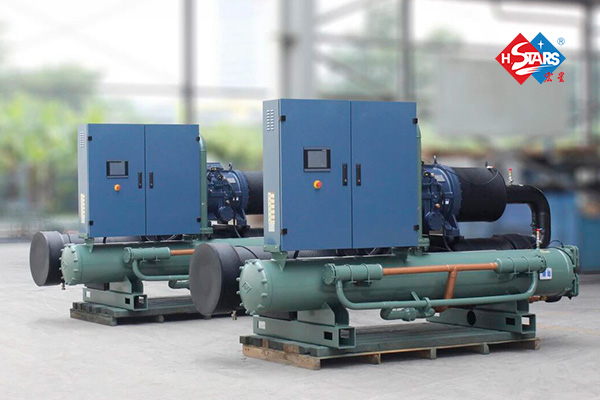
But one of the biggest questions remains: What size industrial chiller is actually needed?
Why Workshop Area Alone Is Not Enough for Chiller Selection
Unlike ordinary buildings, the cooling load of an injection molding workshop cannot be estimated solely by floor area.
In a standard factory building, cooling requirements mainly depend on ambient temperature and space size. However, an injection molding workshop generates significant internal heat from:
• Continuous operation of injection molding machines
• Mold temperature control systems
• Hydraulic systems and motors
• Lighting equipment and workforce activity
• Poor ventilation or enclosed workshop layouts
Because of these additional heat sources, the cooling load is far higher than a normal industrial building. Using a simple area-based estimate often results in insufficient cooling capacity, unstable temperatures, and poor cooling performance during peak summer conditions.
How Much Cooling Capacity Is Required for a 2,000㎡ Injection Workshop?
Based on years of industrial cooling project experience, for a fully enclosed and continuously operating 2,000㎡ injection molding workshop, reducing indoor temperature from 40°C to 26°C during extreme summer heat requires sufficient cooling redundancy.
The commonly accepted industry guideline for high-temperature, large temperature-drop applications is:
220–260 kcal/h cooling capacity per square meter
For a 2,000㎡ workshop, the estimated total cooling demand is:
440,000–520,000 kcal/h
Converted into commonly used industrial chiller specifications, this typically requires:
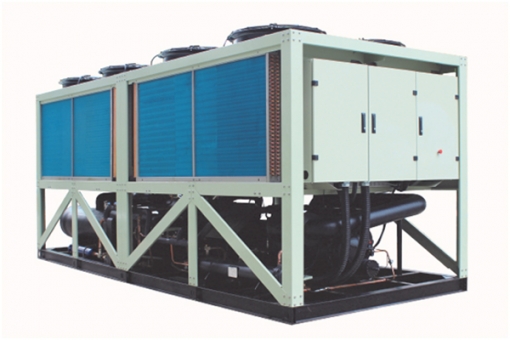
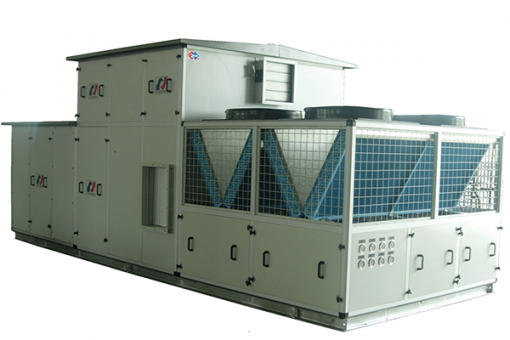
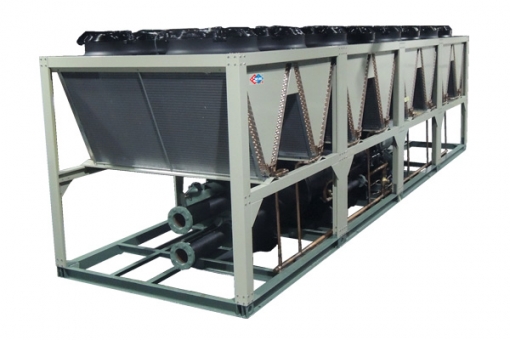
120HP–140HP Industrial Chiller Units
This capacity range is considered a safe and reliable configuration, capable of handling:
• Peak summer temperatures
• Full production load operation
• High machine density
• Continuous manufacturing schedules
It also helps maintain uniform cooling across the workshop, avoiding hot spots and temperature rebound.
Can a Smaller Chiller Work?
If your workshop has:
• Lower equipment density
• Better ventilation conditions
• Lower daily machine utilization rates
A 100HP–120HP industrial chiller may still achieve the target 26°C temperature control.
However, for high-speed injection molding, thin-wall plastic products, or workshops with high heat generation, a 140HP chiller system is strongly recommended to ensure sufficient cooling margin and stable operation.
Why Modular Chiller Systems Are Recommended
Instead of installing a single large chiller, many factories prefer a modular chiller configuration.
For example:
• 2 × 60HP chillers, or
• 2 × 70HP chillers
This setup offers several advantages:
1. Better Energy Efficiency
During cooler seasons or lower production periods, only one chiller needs to operate, reducing unnecessary energy consumption.
2. More Reliable Operation
If one unit experiences maintenance or failure, the second chiller can continue operating, minimizing production interruptions.
3. Flexible Cooling Capacity
Multiple units can operate simultaneously during extreme summer temperatures to ensure stable cooling performance.
A Complete Cooling System Matters
To achieve stable cooling performance, the chiller system should be properly integrated with:
• Cooling towers
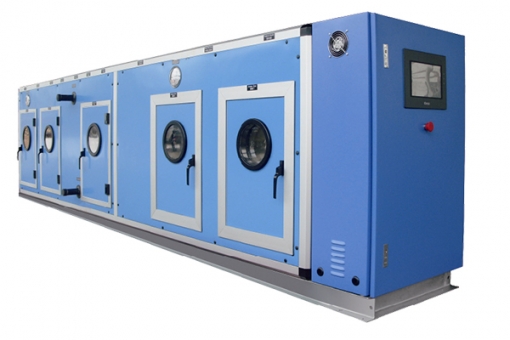
• Heat exchange terminals
• Water circulation systems
Compared with conventional fans or direct air-cooling systems, a water-cooled industrial chiller system provides:
• More even cooling distribution
• Better heat removal performance
• Reduced indoor heat accumulation
• Lower temperature rebound risks
Regular maintenance of pipelines, filters, and cooling towers is also essential to maintain long-term cooling efficiency.
Final Recommendation
For a standard 2,000㎡ injection molding workshop, cooling the indoor temperature from 40°C down to 26°C during summer generally requires a:
120HP–140HP Industrial Chiller System
Factories can adjust the final selection based on:
• Equipment density
• Production intensity
• Ventilation conditions
• Daily operating schedules
With proper chiller sizing and system design, manufacturers can effectively solve workshop overheating problems, improve product quality, enhance worker comfort, and reduce long-term operating costs.