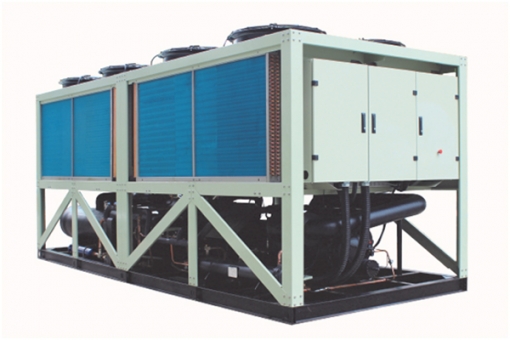
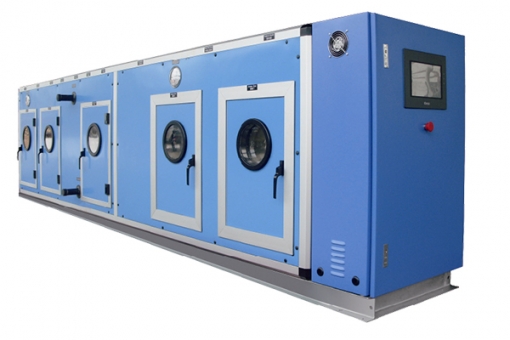
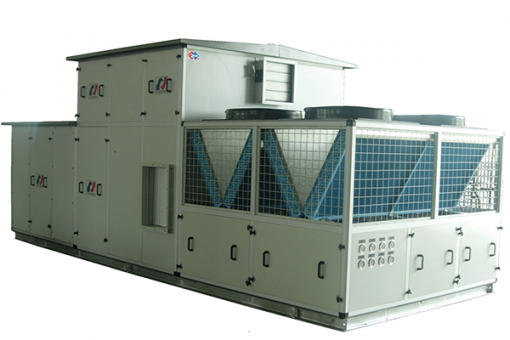
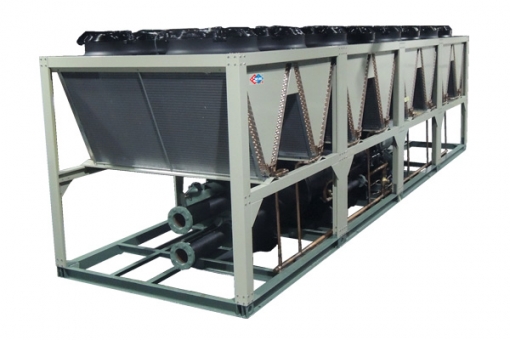
During extreme summer heat, ice storage chiller systems are widely used as energy-efficient cooling solutions for commercial and industrial buildings. However, one common challenge is excessive ice melting speed in the storage tank. When ice melts too quickly, stored cooling energy may be exhausted before peak daytime demand ends, increasing operating costs, energy consumption, and system stress.
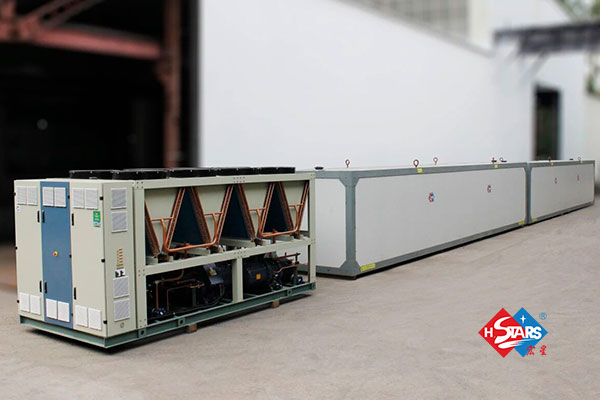
So, how can businesses effectively slow the ice melting process and maximize cooling efficiency during summer?
1. Strengthen Insulation to Reduce Cooling Loss
Improving insulation is the first and most important step to reducing ice melting speed.
In hot summer conditions, cooling energy stored in the ice tank can easily be lost through heat conduction and radiation, accelerating ice melting. Companies should regularly inspect the insulation layer of the ice storage tank and pipelines.
If insulation is damaged, aged, or insufficient in thickness, it should be repaired or upgraded immediately. High-quality polyurethane insulation with a thickness of at least 50 mm is recommended. Proper sealing without gaps can reduce cooling loss by more than 30%, significantly slowing the melting process.
Good insulation not only preserves cooling capacity but also reduces the workload of the refrigeration system.
2. Optimize Operating Parameters for Smarter Ice Discharge
Proper operational control is essential to prevent unnecessary ice consumption.
Summer cooling demand fluctuates significantly. Running the system at maximum discharge continuously may cause stored ice to melt too quickly. Instead, operators should adjust system parameters based on real-time cooling needs.
Key recommendations include:
Control Chilled Fluid Temperature
Keep the secondary coolant outlet temperature within a reasonable range, typically 5°C–8°C, to meet cooling demand without accelerating ice melting.
Optimize Charging and Discharging Schedules
Use off-peak nighttime electricity periods for full ice production to maximize stored cooling energy.
During daytime operation, adopt an on-demand ice melting strategy, adjusting cooling output according to actual load rather than maintaining constant high-output operation.
3. Manage Cooling Loads More Efficiently
Excessive cooling demand can force the storage tank to release cooling too quickly.
To avoid rapid ice depletion during peak summer hours, businesses can implement load management strategies such as:
• Zoned cooling systems for different areas
• Staggered cooling schedules during peak periods
• Slightly increasing temperature settings in non-critical spaces
For example, avoiding excessive cooling demand between 10:00 AM and 4:00 PM, when cooling loads are highest, can significantly reduce melting speed and extend cooling availability.
4. Improve Daily Maintenance for Better Efficiency
Routine maintenance plays an important role in preserving system performance.
During summer, inspection frequency should increase to ensure optimal operation.
Key maintenance practices include:
• Checking tank seals to prevent leakage and condensation
• Cleaning floating debris and impurities from the ice tank
• Monitoring coolant concentration for efficient heat transfer
• Maintaining refrigeration units to ensure stable ice production efficiency
A well-maintained system not only slows ice melting but also improves overall energy efficiency and equipment reliability.
5. Improve the Equipment Environment
The surrounding environment can directly affect ice melting speed.
High equipment room temperatures accelerate cooling loss from both the storage tank and refrigeration system. To reduce this impact:
• Improve ventilation in equipment rooms
• Install exhaust systems to remove hot air
• Add roof and wall insulation
• Use shading structures to prevent direct sunlight exposure
• Maintain sufficient spacing for equipment airflow
A cooler mechanical room environment helps reduce unnecessary heat gain and indirectly slows ice melting.
Conclusion
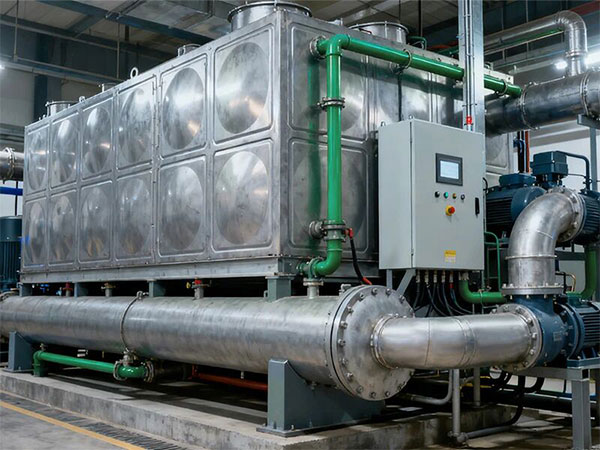
Slowing ice melting in an ice thermal storage system during summer requires a combination of better insulation, optimized operational control, smart cooling load management, proactive maintenance, and environmental improvements.
By implementing these strategies, businesses can ensure sufficient cooling during peak daytime demand, lower energy consumption, extend equipment lifespan, and maximize the energy-saving benefits of ice thermal storage technology.
With proper planning and operation, Ice storage chiller systems can continue delivering stable, efficient, and cost-effective cooling even during extreme summer temperatures.