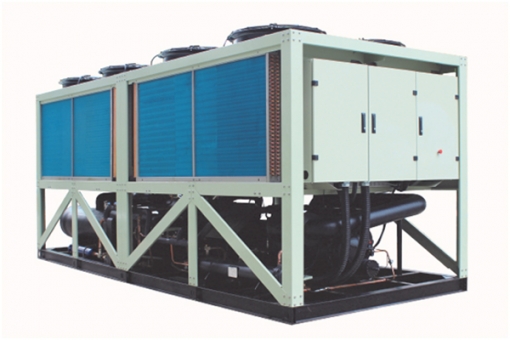
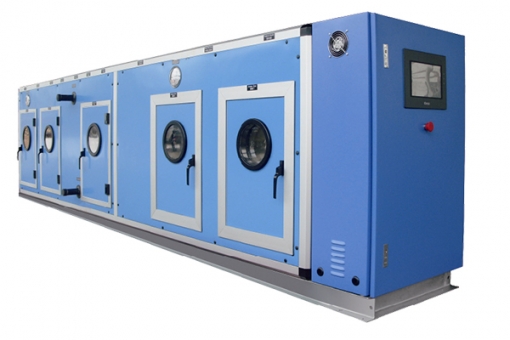
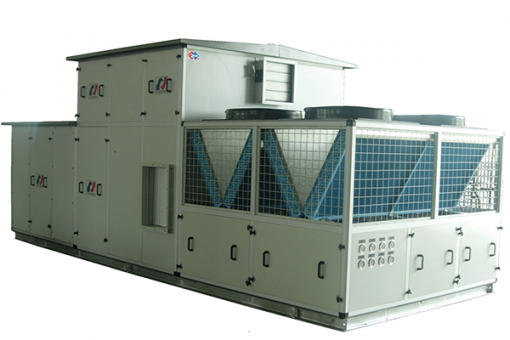
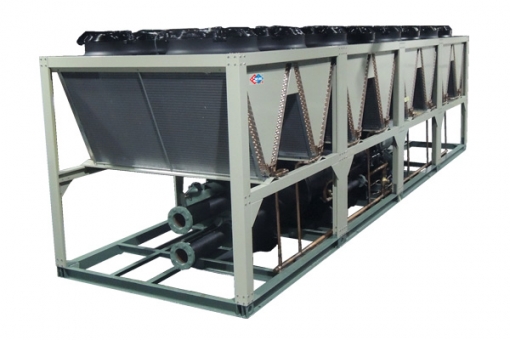
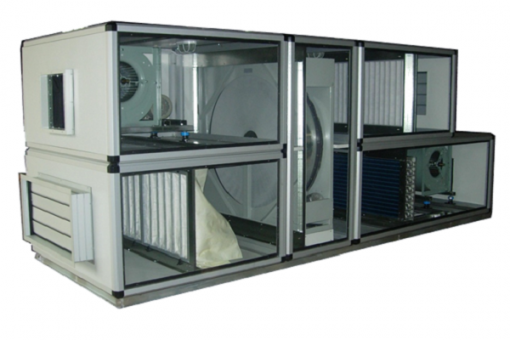
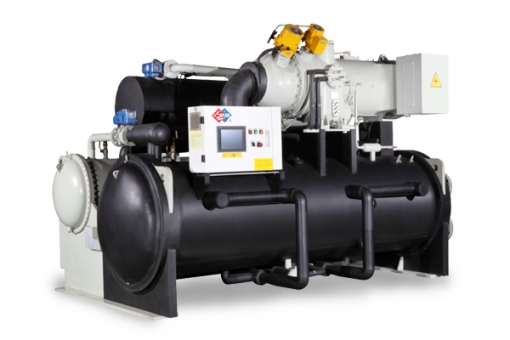
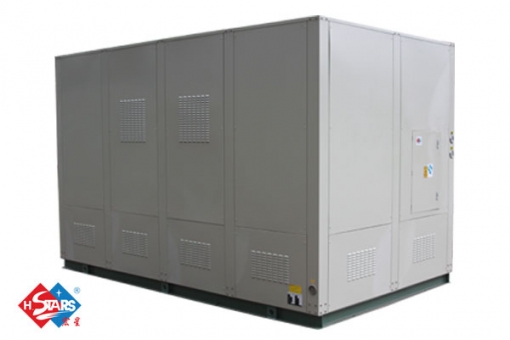
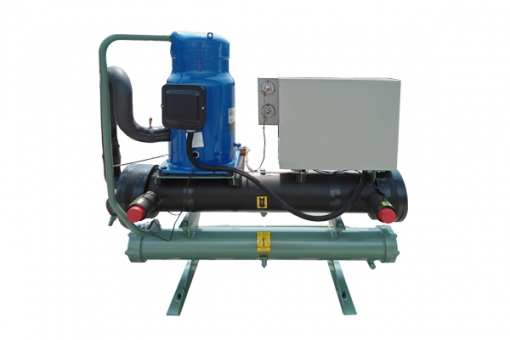
In industrial production, precision manufacturing, laboratories, and process cooling applications, companies often face two different cooling demands at the same time. An Industrial System Dual Function Chiller provides an efficient solution by supplying both low-temperature chilled water and normal-temperature cooling water within a single integrated system.
• Low-temperature chilled water (7–12°C) for precise temperature control in core production processes
• Normal-temperature cooling water (30–35°C) for heat dissipation in auxiliary equipment such as fans, inverters, and hydraulic systems
Traditionally, companies install two independent cooling systems to meet these requirements. However, this approach increases equipment investment, occupies more floor space, and leads to higher energy consumption.
With optimized system design, a single chiller can simultaneously provide chilled water and cooling water, achieving dual functionality while significantly improving energy efficiency.
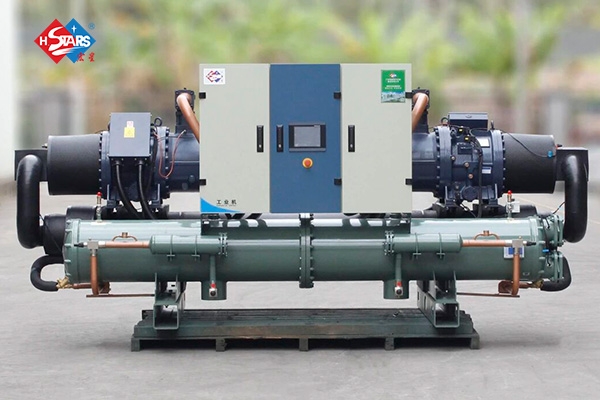
How Does a Chiller Achieve Dual Cooling Functions?
The key lies in optimizing the refrigeration cycle and cooling water system together.
A standard chiller operates based on the vapor compression refrigeration cycle:
1. The compressor compresses low-pressure refrigerant vapor into high-temperature, high-pressure gas.
2. The refrigerant enters the condenser, where heat is transferred to cooling water.
3. The refrigerant condenses into liquid form, passes through an expansion device, and enters the evaporator.
4. In the evaporator, heat is absorbed from chilled water, lowering its temperature to the required setpoint.
In traditional systems, the heated cooling water from the condenser is sent entirely to a cooling tower, where heat is discharged into the atmosphere. This process wastes a large amount of reusable thermal energy.
Reusing Cooling Water for Dual-Purpose Operation
To provide refrigeration and cooling water simultaneously, the system simply reuses part of the condenser cooling water instead of discarding it.
Here’s how it works:
A smart diversion system is installed at the condenser outlet.
Part of the Cooling Water
A portion of the condenser water, typically heated to 30–35°C, is diverted and directly supplied as process cooling water for auxiliary equipment, including:
• Fans
• Variable frequency drives (VFDs)
• Hydraulic stations
• Industrial support equipment requiring heat dissipation
Remaining Cooling Water
The remaining water continues to the cooling tower for temperature reduction and then returns to the condenser to maintain stable refrigeration performance.
This approach transforms waste heat into a useful cooling resource without requiring an additional cooling water system.
Smart Control Is Essential for Stable Performance
To ensure reliable operation of both cooling circuits, several technologies are required.
Intelligent Temperature and Flow Control
High-precision sensors and automatic control valves continuously monitor:
• Chilled water outlet temperature
• Condenser inlet temperature
• Cooling water demand
The system automatically adjusts:
• Cooling tower fan speed
• Water diversion ratio
• Flow rate balance
The control priority is to maintain proper condenser pressure, ensuring refrigeration efficiency while keeping cooling water temperature fluctuations within ±2°C.
Water Treatment and Anti-Scaling Design
Because the same cooling water circulates through both condensers and industrial equipment, water quality management becomes critical.
Integrated treatment systems should include:
• Filtration systems
• Water softening equipment
• Corrosion inhibitors
• Scale prevention treatment
These measures help prevent:
• Calcium and magnesium scale buildup
• Microbial growth
• Metal corrosion
Regular water quality testing and pipeline cleaning are essential for long-term efficiency and system reliability.
Emergency Bypass Protection
An emergency bypass system is also important.
If the process cooling side stops operating or temporarily requires no water, the entire cooling water flow can automatically return to full cooling tower circulation mode, ensuring uninterrupted chiller operation and preventing system instability.
Benefits of a Dual-Function Chiller System
This Industrial System Dual Function Chiller, as a specialized type of Industrial Refrigeration Equipment, is widely suitable for industries such as:
• Electronics manufacturing
• Pharmaceutical production
• Chemical processing
• Food and beverage manufacturing
Compared with traditional dual-system setups, a dual-purpose chiller system can offer:
Lower Initial Investment
Reduce equipment costs by 20%–30%
Smaller Footprint
Save approximately 40% of installation space
Better Energy Efficiency
Reduce annual operating energy consumption by 15%–25%
Simplified Maintenance
Only one integrated cooling system needs to be maintained, reducing labor and operational complexity.
Custom Design Is Critical
It is important to note that one-size-fits-all solutions do not work.
A successful dual-function chiller system must be customized based on:
• Cooling load requirements
• Water consumption patterns
• Process conditions
• Site layout and infrastructure
During system design, engineers must carefully calculate both chilled water and cooling water demands to properly match:
• Chiller capacity
• Cooling tower size
• Pump specifications
This ensures stable and efficient performance under both full-load and partial-load operating conditions.
Conclusion
By intelligently reusing condenser cooling water, a chiller can simultaneously provide low-temperature refrigeration and normal-temperature cooling water, turning one system into a highly efficient dual-purpose solution.
With advantages such as lower investment costs, reduced energy consumption, space savings, and simplified maintenance, this integrated cooling model is becoming an increasingly important trend in industrial cooling systems.
For businesses pursuing cost reduction, higher efficiency, and sustainable development, dual-function chiller systems offer a smarter path forward.