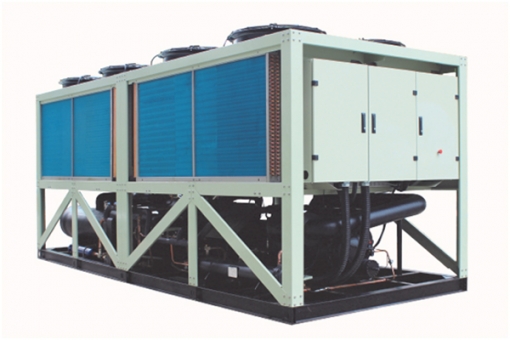
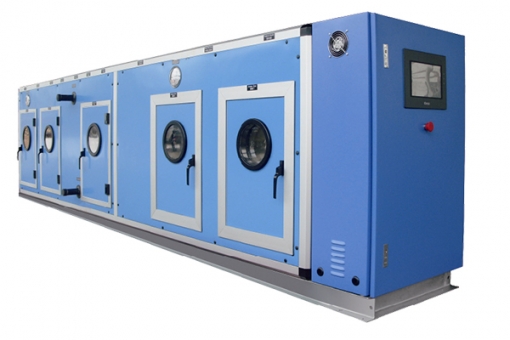
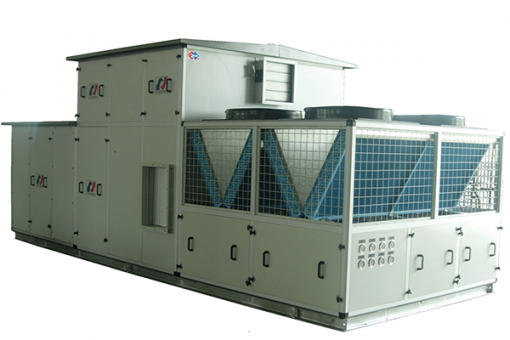
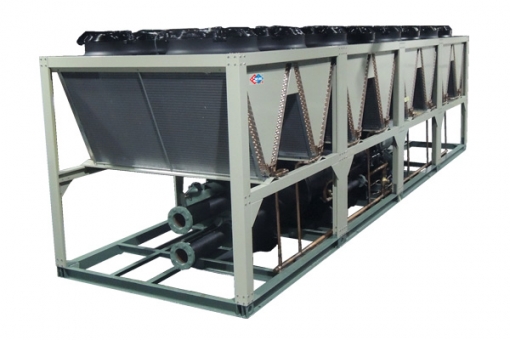
As global energy transformation accelerates and carbon reduction goals become a priority, ice storage chiller systems are moving from niche applications to mainstream adoption. Behind their growing popularity lies a powerful combination of energy savings, peak-demand management, policy incentives, and long-term cost reduction.
For businesses seeking sustainable and cost-effective cooling solutions, ice storage technology offers a unique opportunity to improve operational efficiency while supporting environmental goals.
What Makes Ice Storage Chiller Systems So Valuable?
The core advantage of an ice storage chiller system lies in its ability to shift energy consumption from peak hours to off-peak hours.
The system produces ice during nighttime periods when electricity rates are lower. The stored cooling energy is then released during daytime peak-demand periods, reducing or even eliminating the need for the chiller to operate when electricity costs are highest.
This strategy helps facilities:
• Lower electricity expenses
• Reduce peak demand charges
• Improve grid stability
• Optimize energy utilization
In many regions, significant differences between peak and off-peak electricity rates create substantial financial benefits. By leveraging these pricing structures, ice storage systems can reduce air-conditioning operating costs by 40%–60%, making them a highly attractive investment.
How Do Government Policies Support Ice Storage Technology?
The growing emphasis on energy efficiency and carbon reduction has led governments worldwide to encourage thermal energy storage technologies.
Many regions now offer:
• Energy-saving incentives
• Utility rebates
• Demand-response programs
• Preferential electricity pricing
• Green building certifications
These policy benefits can significantly improve project economics and shorten the return-on-investment period.
For many commercial and industrial projects, the payback period for an ice storage system can be reduced from 8–10 years to as little as 3–5 years, making adoption far more attractive for facility owners and investors.
Does the Higher Initial Investment Really Pay Off?
One common concern is that ice storage systems typically require a higher upfront investment than conventional cooling systems.
While initial project costs may be 20%–30% higher, a lifecycle cost analysis often tells a different story.
Modern ice storage solutions can:
• Reduce installed chiller capacity requirements by 30%–50%
• Lower electrical infrastructure investment
• Reduce peak power demand charges
• Improve overall system reliability
• Decrease maintenance expenses
Because the system operates more efficiently and places less stress on cooling equipment, long-term operating and maintenance costs are significantly reduced.
As a result, total ownership costs are often lower than those of traditional cooling systems over the life of the project.
Where Can Ice Storage Chiller Systems Be Applied?
One reason for the growing success of ice storage technology is its remarkable versatility.
Commercial Buildings
• Office towers
• Shopping malls
• Hotels
• Airports
• Convention centers
Industrial Applications
• Manufacturing facilities
• Food processing plants
• Pharmaceutical production
• Chemical processing facilities
Mission-Critical Facilities
• Data centers
• Research laboratories
• Healthcare facilities
Modular system designs allow flexible installation and future expansion, making ice storage chillers suitable for both new construction and retrofit projects.
How Is Technology Improving Ice Storage Performance?
Recent innovations have significantly enhanced the performance of modern ice storage systems.
Advanced technologies now include:
Dynamic Ice Storage Technology
Improved heat transfer efficiency can increase system performance by 15%–20%, enabling faster charging and discharging cycles.
Intelligent Control Systems
Smart controls continuously monitor cooling demand, electricity pricing, and storage levels to optimize system operation automatically.
High-Efficiency Heat Exchangers
Enhanced heat exchanger designs improve energy transfer while reducing overall system energy consumption.
Environmentally Friendly Refrigerants
Modern systems utilize low-GWP refrigerants and sustainable designs to support environmental compliance and corporate sustainability initiatives.
These advancements help overcome many of the limitations traditionally associated with thermal energy storage systems.
Why Are Ice Storage Chillers Important for the Future?
As energy costs continue to rise and sustainability requirements become more stringent, businesses need cooling solutions that provide both economic and environmental benefits.
Ice storage chiller systems offer:
• Significant energy cost savings
• Reduced peak electricity demand
• Improved system reliability
• Lower lifecycle operating costs
• Greater sustainability and carbon reduction
For organizations focused on long-term operational efficiency, ice storage technology is no longer simply an alternative cooling solution—it is becoming a strategic investment.
Conclusion
The true commercial value of an ice storage chiller system goes far beyond simple cooling. By combining energy storage, demand management, policy incentives, and advanced control technologies, these systems deliver measurable financial and environmental benefits.
As industries continue pursuing energy efficiency and carbon reduction goals, ice storage chiller systems are positioned to play an increasingly important role in the future of sustainable cooling.