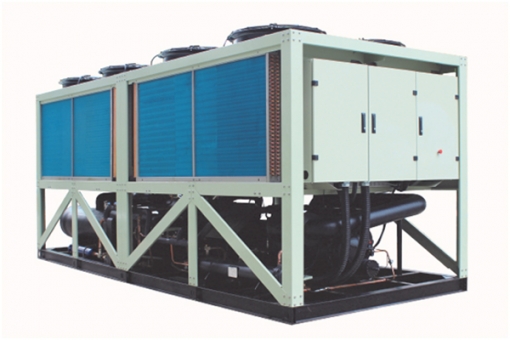
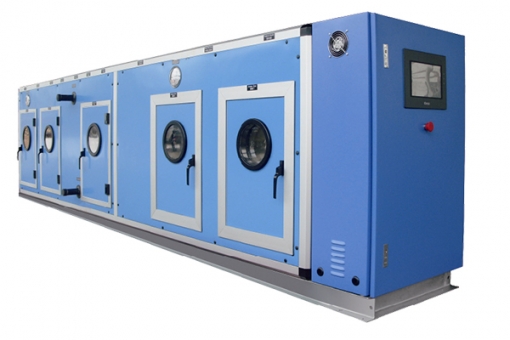
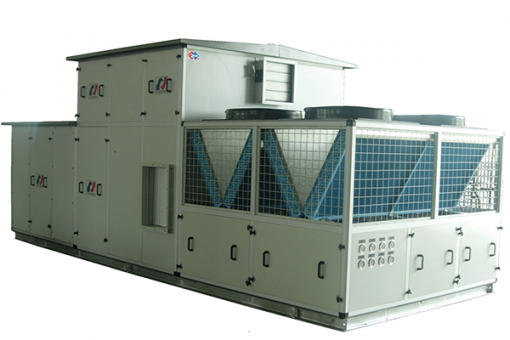
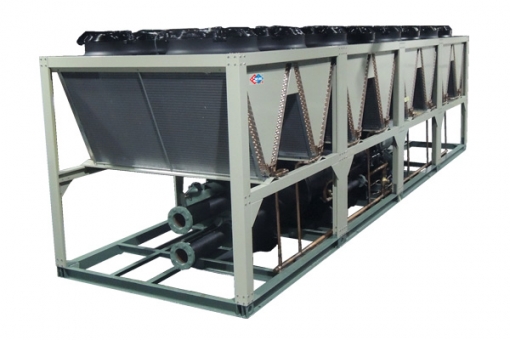
Industrial Chillers may gradually lose refrigerant during long-term operation due to minor leaks, maintenance issues, or system wear. If the refrigerant level drops too low and is not replenished in time, the cooling performance and efficiency of the entire unit can be seriously affected.
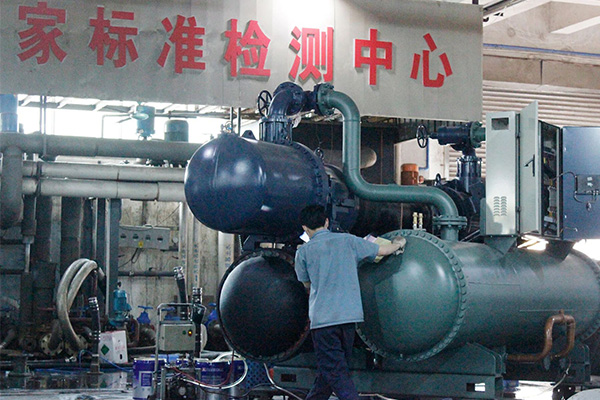
So how can you tell if a chiller is running low on refrigerant? Below are four common warning signs that indicate your chiller may need inspection and refrigerant recharge.
1. Increased Power Consumption and Compressor Wear
When the refrigerant level is insufficient, the cooling capacity of the chiller decreases. As a result, the outlet water temperature may fail to reach the required setpoint.
To compensate for the reduced cooling performance, the compressor must work harder, increasing system load. Over time, this can lead to higher electricity consumption and accelerated compressor wear, potentially shortening the equipment’s lifespan.
2. Higher Compressor Load
An increase in compressor load is another typical indicator of low refrigerant levels in the system.
When refrigerant is insufficient, the compressor must operate under greater pressure and workload to maintain cooling performance. If the system also experiences poor heat dissipation, this condition may eventually lead to system faults or compressor damage.
3. Reduced Cooling Capacity and System Efficiency
A noticeable decline in cooling capacity and energy efficiency may occur when a chiller is short of refrigerant.
Although several factors can affect chiller performance, a significant drop in refrigerant will almost always cause a major reduction in cooling output. This not only impacts equipment operation but can also reduce production efficiency in industrial applications that rely on stable temperature control.
4. Excessively High Discharge Temperature
High discharge temperature in the refrigeration system is another important warning sign.
In many cases, abnormally high discharge temperatures are caused by insufficient refrigerant or malfunction of the oil separator. If this issue is not addressed promptly, it can lead to overheating of system components and potential equipment failure.
Contact Professionals for Proper Maintenance
If your Industrial Chiller Units shows any of the above symptoms, it is important to contact the manufacturer’s technical support or professional service engineers for proper diagnosis and repair.
Attempting to troubleshoot or recharge refrigerant without proper expertise may worsen the problem and cause more serious damage. Professional inspection ensures the system returns to safe, stable, and efficient operation.