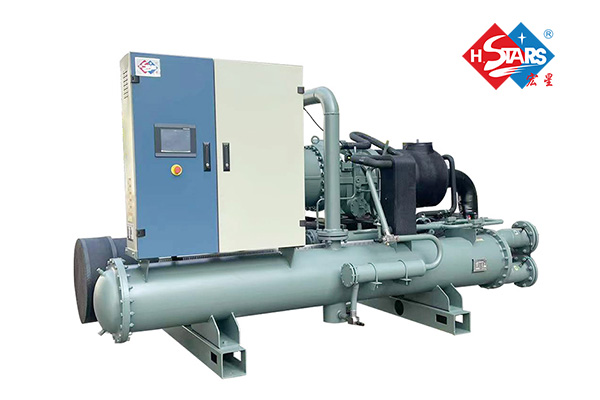
Glycol has a lower freezing point than water, making it effective in preventing freezing and damage to the cooling system, even in sub-zero temperatures.
Glycol has excellent heat transfer properties, allowing it to absorb and carry away heat efficiently from the process or equipment being cooled.
Glycol possesses anti-corrosive properties, helping to protect the cooling system components from rust and degradation.
Glycol has biocidal properties that inhibit the growth of bacteria and algae in the cooling system, promoting cleaner and more hygienic operation.
The glycol and water mixture is stored in a reservoir tank, typically located within the chiller unit.
A pump circulates the glycol-water mixture through the system, creating a continuous flow.
The glycol mixture passes through a heat exchanger, absorbing heat from the equipment or process being cooled.
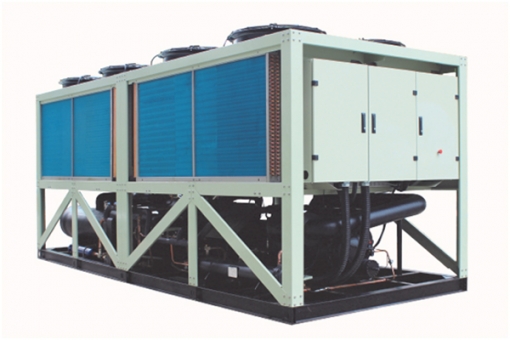
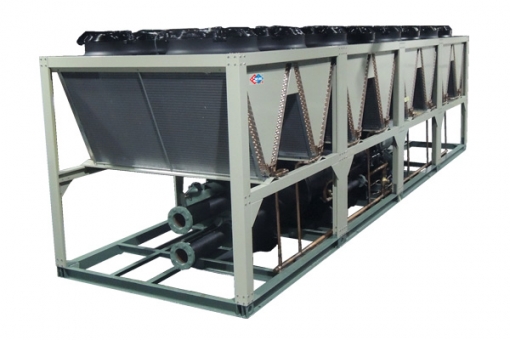
The heated glycol mixture flows into the chiller unit, where it releases the absorbed heat through the process of heat exchange with a refrigeration system.
The cooled glycol mixture returns to the process or equipment, repeating the cycle to maintain the desired temperature.
Determine the heat load of the process or equipment that needs to be cooled. This includes factors such as the size, temperature requirements, and heat generation rate of the application.
Consider the ambient temperature and humidity of the environment where the chiller will be installed, as these factors can impact the cooling capacity required.
Take into account the overall efficiency of the glycol chiller system, including the chiller's Coefficient of Performance (COP) and energy consumption.
Plan for potential future growth or expansion of the cooling system to ensure the chosen capacity can accommodate increased cooling demands.
Previous :
How to Choose the Right Glycol ChillerNext :
How to Build an Ice Skating RinkCategories
New Blog
Copyright © 2015-2026 H.Stars (Guangzhou) Refrigerating Equipment Group Ltd.
/ Blog / Sitemap / XML / Privacy-policy