How to Choose the Right Industrial Chiller for Chemical Reactor Cooling?2026-06-18
In modern industrial production, chemical reactors generate a large amount of heat during operation. If this heat is not removed efficiently and in time, it may affect product quality, production efficiency, and even equipment safety. This is why reactor cooling chillers have become essential equipment in industries such as chemical processing, pharmaceuticals, metal treatment, aerospace, electronics, food manufacturing, and defense applications. So, how should companies select the right industrial chiller for chemical reactor cooling systems?
What Is a Chemical Reactor Chiller?
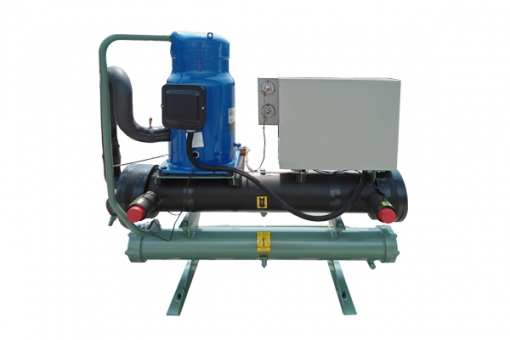
A reactor cooling chiller, also known as a chemical process chiller or industrial chemical chiller, is designed to remove excess heat generated during chemical reactions. By maintaining a stable operating temperature, the chiller helps improve production quality, stabilize the reaction process, and protect production equipment. Different industries and production environments require different cooling solutions, so proper chiller selection is critical for long-term stable operation.
Key Factors for Selecting a Chemical Process Chiller
1. Determine Whether Explosion-Proof Protection Is Needed
Safety is one of the most important considerations in chemical production environments. If the application involves flammable gases, combustible dust, or explosive chemicals, an explosion-proof industrial chiller is highly recommended. When selecting a chemical chiller, companies should carefully evaluate: •Explosion-proof requirements •Hazardous operating conditions •Local safety standards and certifications Explosion-proof chillers are typically equipped with: •Explosion-proof electrical control systems •Explosion-proof motors and fans •Enhanced safety protection components This ensures stable and safe operation in hazardous industrial environments.
2. Choose the Appropriate Chiller Type
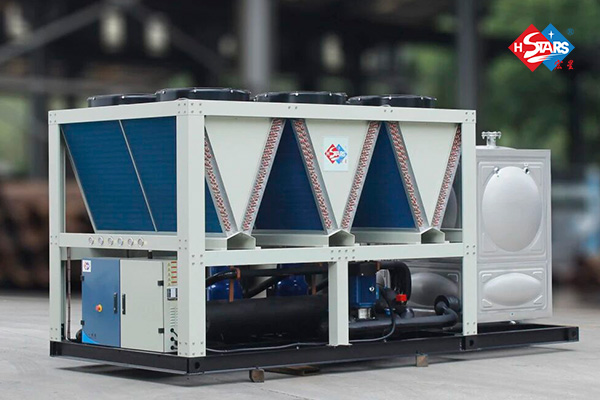
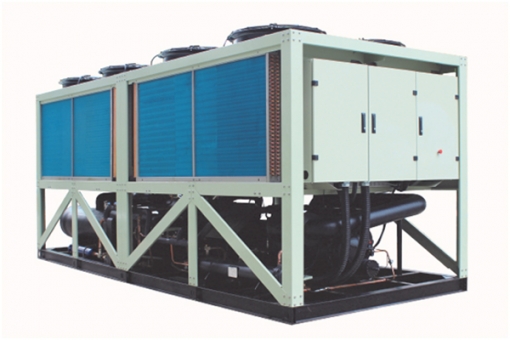
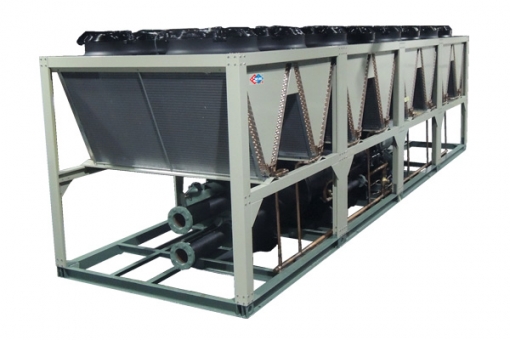
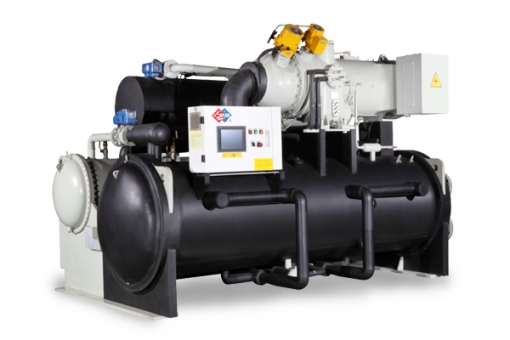
The cooling load and production environment determine the most suitable chiller configuration. •For applications with large heat loads or high dust levels, a water-cooled screw chiller is recommended because of its strong cooling performance and stable operation. •For smaller heat exchange requirements, a water-cooled scroll chiller can provide a more economical and energy-efficient solution. Choosing the correct compressor type can significantly improve system performance and reduce long-term operating costs.
3. Confirm the Required Temperature Range
The required cooling temperature directly affects chiller selection and system design. •Standard chemical chillers generally operate within a temperature range of +3°C to 40°C. •Applications requiring temperatures below 0°C need low-temperature industrial chillers with specialized refrigeration systems. For example: •Pharmaceutical production often requires precise low-temperature control. •Chemical synthesis processes may require sub-zero cooling conditions. Accurate temperature planning is essential for achieving stable process control.
4. Calculate the Required Cooling Capacity
The cooling capacity should be determined according to: •Temperature difference •Circulating water flow rate •Reactor heat load •Production process requirements It is recommended to reserve additional cooling capacity during selection to ensure stable operation as production demand changes over time. An undersized chiller may result in insufficient cooling performance, directly affecting production efficiency and product quality.
5. Consider Environmental and Customization Requirements
Chemical plants often have special environmental conditions, including: •Corrosive atmospheres •High humidity •Dust-heavy environments •Special water quality requirements Therefore, customized industrial chillers are often necessary. Manufacturers can optimize: •Anti-corrosion materials •Filtration systems •Heat exchanger design •Electrical protection systems according to the actual application environment and customer requirements.
Why Professional Chiller Selection Matters
Selecting an industrial chemical chiller is not simply about choosing a cooling capacity. It requires a comprehensive evaluation of: •Production processes •Safety requirements •Energy efficiency •Equipment reliability •Installation conditions •After-sales service For manufacturing enterprises, the best cooling solution is usually developed through detailed communication between the customer and the chiller manufacturer. With more than 30 years of experience in the refrigeration industry, H.Stars Group provides mature and customized cooling solutions for the chemical industry, helping customers achieve safe, efficient, and stable production operations.