What Is a Glycol Chiller—and How Do You Choose the Right One for Low-Temperature Applications?
In most chiller cooling systems, water is the standard heat transfer medium. However, in cold climates or winter conditions, circulating water can easily freeze, leading to system damage or unexpected shutdowns. To solve this problem, ethylene glycol–water mixtures are widely used as antifreeze cooling media—giving rise to what we call glycol chillers.
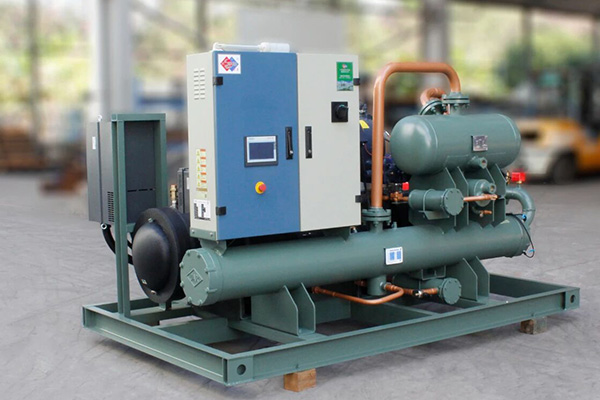
A glycol chiller is a highly efficient and stable cooling system designed to operate safely at 0°C and below. By preventing coolant freezing, it ensures continuous operation even in harsh low-temperature environments, completely eliminating downtime caused by ice formation in the cooling loop.
What Exactly Is a Glycol Chiller?
As the name suggests, a glycol chiller uses ethylene glycol as the secondary coolant. Because glycol can volatilize, the chiller must operate within a fully sealed circulation system to prevent evaporation and maintain consistent performance.
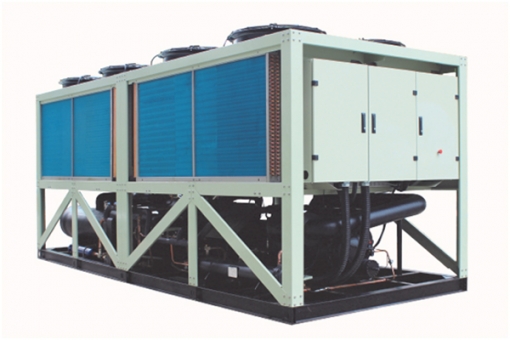
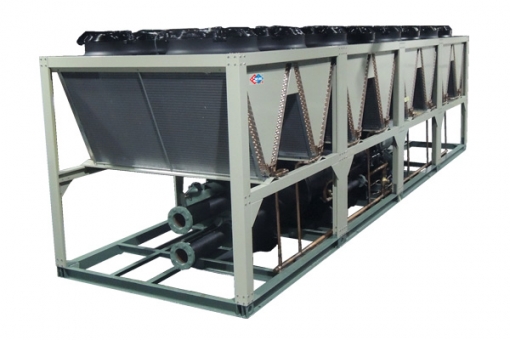
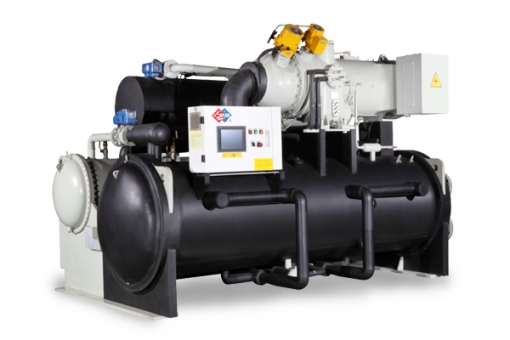
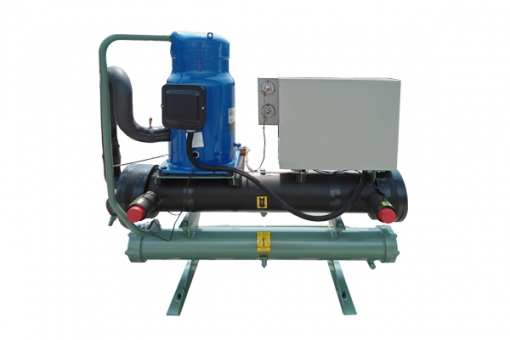
Structurally, glycol chillers are similar to standard water chillers. They typically consist of:
• Compressor
• Evaporator
• Condenser
• Expansion device
• Electrical control system
To ensure safe and reliable operation—especially in industrial environments—it is strongly recommended to implement explosion-proof measures and select explosion-proof chillers when required.
System Composition and Component Selection
A glycol chiller is designed to deliver constant temperature, constant flow, and constant pressure cooling, maintaining stable operating conditions for production equipment.
In general, the system includes:
• Refrigeration system: Independent compressor-based cooling circuit with compressor, condenser, thermal expansion valve, plate heat exchanger, and refrigerant piping
• Water (glycol) circulation system
• Control system
When selecting refrigeration components, brand reputation and quality are critical. Priority should be given to first-tier brands that comply with national or international standards, as these components offer higher reliability, longer service life, and significantly lower failure rates—ensuring long-term stable operation.
Operation and Maintenance Considerations
After purchasing a glycol chiller, proper maintenance is essential:
• Ensure stable and correct operating voltage
• Never run the chiller without liquid in the system to avoid circulation pump damage
• Keep air inlets and outlets clear; clean filters regularly to prevent blockage
• Insulate water pipes or adjust water temperature settings to avoid excessive temperature differences that may cause condensation, which can negatively affect operation
Compared with conventional water chillers, glycol chillers require more careful operation and maintenance due to the properties of the antifreeze medium. With proper attention, however, they deliver exceptional reliability in low-temperature applications.
Conclusion
Glycol chillers are the ideal solution for cold climates, winter operation, and low-temperature industrial processes. By choosing the right configuration, high-quality components, and following correct maintenance practices, users can achieve safe, stable, and uninterrupted cooling performance—even in sub-zero environments.